
Check payment compatibility before depositing
 Available in US

A casino’s payment list may not reflect the routes available to a specific account, so the cashier and its conditions matter.
How to check whether a casino supports your payment route
A payment logo on a casino page does not confirm that your particular account can use that route. Availability can depend on the casino’s current cashier options and on the specific payment product you hold. If you are checking whether a casino accepts POLi in the UK, verify the option directly rather than relying on a general payment-method list or an old review.
Start with the casino’s cashier while signed in. Payment options shown there are more relevant than a logo elsewhere on the site because the cashier is where the operator presents routes available to your account. Look for the exact service or product you intend to use. A general reference to bank payments, for instance, does not establish that a particular service is supported.
Then check any conditions attached to the listed route. A payment method may appear on an information page while the cashier shows that it is unavailable for your account or transaction. If the option is absent, do not assume that a similar-looking route will work as a substitute. Contact the casino’s support team and ask whether the named product is currently available to UK customers and whether your account is eligible to use it.
If you’re looking for casinos that accept POLi in the UK in 2026, payout speed is one practical detail to check. This list highlights the stated withdrawal timeframe for each option.
-
Dieselwin
- Payout speed
- 1-3 business days
Dieselwin lists a payout speed of 1–3 business days, giving you a stated timeframe to consider.
-
SpinFormula
- Payout speed
- 1-3 business days
SpinFormula lists payouts as taking 1–3 business days, a useful detail for your comparison.
-
EvoSpin
- Payout speed
- 1-3 business days
EvoSpin’s stated payout speed is 1–3 business days, so you have a timeframe to factor into your choice.
-
Amunbet
- Payout speed
- 1-3 business days
Amunbet lists a payout speed of 1–3 business days. You can use this stated timeframe when considering the casino.
-
WinBeast
- Payout speed
- 1-3 business days
WinBeast’s listed payout speed is 1–3 business days, providing one practical detail for you to review.
-
NightLuck
- Payout speed
- 1-3 business days
NightLuck lists payouts as taking 1–3 business days, a timeframe you can keep in mind.
-
Zombillion
- Payout speed
- 1-3 business days
Zombillion states a payout speed of 1–3 business days, giving you a clear timeframe to consider.
-
NightWin
- Payout speed
- 1-3 business days
NightWin lists a payout speed of 1–3 business days. This gives you one stated detail to weigh.
-
Jetsetspins
- Payout speed
- 1-3 business days
Jetsetspins lists payouts as taking 1–3 business days, which you can factor into your decision.
-
BeOnBet
- Payout speed
- 1-3 business days
BeOnBet’s stated payout speed is 1–3 business days, offering you a practical detail to review.
The same check matters for cards. A specialist review may list Visa or Mastercard, but that listing alone does not establish current UK availability or eligibility for every card product. Confirm the card option in the cashier and make sure the payment route matches the product you intend to use. A network name is not the same as confirmation that every card carrying that name will be accepted.
Check the information at the point you are ready to make a decision, since a page or review can become outdated as payment arrangements change. If the cashier and the casino’s general information appear to conflict, ask support to clarify the current position before proceeding. Keep the response specific: ask about the exact payment service or card product, not just whether the casino “takes payments”.
This process separates three claims that can otherwise be confused: a casino mentions a payment brand, the cashier lists a route, and your particular payment product is eligible. Only the latter checks address whether you can use the route you have in mind. Do not treat a search result for POLi casinos, or a statement that a site supports cards, as proof of compatibility; verify the named option in the casino’s own cashier.
Which payment options may work for UK casino deposits
UK casino cashiers can offer several kinds of payment route, but a method’s presence at one site does not establish that another site accepts it. The same applies to POLi: a casino’s general list of payment options does not confirm that POLi, a POLi-linked card or a particular POLi payment route is available. Check the individual casino’s current cashier before choosing how to pay.

Debit cards are a familiar option. UK casinos commonly accept debit cards, including Visa and Mastercard, but the card network alone does not guarantee that a specific card product will work. Make sure the payment is made from a debit card, not a credit card or a credit-funded wallet.
Credit-card payments for gambling have been banned by the regulator since 14 April 2020, and the restriction remains in force. It also covers credit-card funds routed through a money service business. A digital wallet cannot be used for gambling payments if it allows credit-card funds to be used that way. The important distinction is the source of the money, not simply whether a card or wallet is involved in the payment.
Some UKGC-licensed casinos accept Apple Pay for deposits. This does not mean every casino supports it, or that every card linked to Apple Pay will be eligible. Check both the casino’s listed options and the funding source behind the wallet before proceeding.
Bank transfers and open-banking services are other routes that may appear in casino payment options. Their availability depends on the individual site and the service it supports. A bank transfer is not the same thing as a card payment, even if both draw money from a bank account; follow the cashier’s instructions for the specific route offered.
E-wallets are a separate category. PayPal, Skrill and Neteller are among the names a player may encounter, but availability varies by casino. Paysafecard works differently: it is a prepaid voucher and is deposit-only, so it should not be treated as a route for receiving casino funds. These distinctions matter when comparing payment options, because a method that can fund an account is not necessarily usable for every other transaction.
For searches about online casinos accepting POLi payments in the UK, avoid treating a method name on a general payment page as proof of support. Confirm that the cashier specifically displays the route you intend to use and that its terms apply to your payment product. If it does not appear, another listed method may be required. The relevant options are those the casino makes available to your account at the time you pay—not every method used by UK customers elsewhere.
What to check before making a deposit
A payment option can appear in a casino’s cashier and still have conditions that affect how much you can deposit. Before sending funds, check the minimum for the method you intend to use, the maximum allowed for a single transaction and any separate daily or monthly caps. These figures are not necessarily the same across payment methods, and the limits attached to an account can depend on its status. Treat the amount displayed for your own account as more relevant than a figure quoted in a general payment guide.

A specialist review reports that minimum deposits may fall within the £10–£20 range, depending on the selected method. That is a guide, not a promise that every casino or payment route will accept the same minimum. If your intended deposit is below the amount shown, the transaction may be rejected or you may need to enter a different sum. Check the cashier’s stated minimum before submitting payment rather than assuming that a small test deposit will be accepted.
Maximums need the same care. A limit may apply to each payment, while other controls may cap the total deposited over a day or a month. A payment provider can also impose its own conditions, so the amount a casino permits and the amount your payment route can process may differ. If you plan to make more than one deposit, check whether the limit applies to each transaction or to the combined total. Do not assume that a rejected payment means you can simply split it into smaller ones; the account or provider may still apply an aggregate cap.
The account’s status can affect the ceiling available to you. If the permitted amount changes after account checks or other review, use the current limit shown in your account rather than relying on an older figure. This is particularly relevant if you are comparing information from different pages: a published maximum may describe a general policy, whereas your account can have a different restriction. If the cashier does not explain which limit applies, contact the operator before attempting a payment.
- Check the minimum and maximum deposit for the chosen route
- Verify any account-level transaction restrictions
- Confirm the account currency is set to GBP
Your account currency is another condition to settle before the first transaction. A specialist review reports that GBP is supported, but that does not establish that every account is set to pounds. Confirm the currency displayed in your casino account before paying. If your account is denominated in another currency, a deposit made from a sterling balance may be converted, and the amount credited may not match the amount deducted from your bank or payment account. A currency mismatch can also make it harder to compare the displayed deposit with your own records.
Check where the conversion would occur as well. Depending on the arrangement, the casino or the payment provider may perform it, and the exchange rate used can affect the credited amount. If the cashier shows the amount in a currency different from the one you expect, pause and confirm the account setting before authorising the transaction. Do not rely on a familiar payment logo as evidence that the account itself is configured in GBP.
There is also a difference between a transaction limit and a personal gambling limit. UKGC rules require remote operators to ask new customers to set a financial limit before their first deposit and to make account-level limit controls accessible. A personal limit is a control you set for your own gambling account; it is not the same as the payment method’s per-transaction maximum. If your chosen amount is above a personal limit, that account control may prevent the deposit even when the cashier and provider would otherwise allow it. Set a limit that reflects what you can afford, and check its effect before trying to pay.
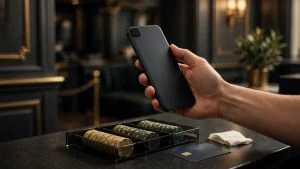
For a planned deposit, confirm three things together: the minimum and applicable maximum for the chosen route, any account-level restriction, and the currency in which the casino will credit the funds. This gives you a clearer expectation of what will happen before you authorise payment. If one detail is unclear, resolve it first rather than testing different amounts or repeating a failed transaction.
Depositing through an online casino cashier
The cashier is where a deposit option becomes an actionable route. A payment method mentioned on a casino’s information page may not appear when you sign in, and a method shown for deposits is not necessarily available for withdrawals or other account transactions. Treat each transaction type separately: check the deposit screen when you are adding funds, rather than assuming that a logo or general payment list confirms what you can do.
If you are considering POLi, look for it by name among the deposit methods in the cashier. Its presence on a page elsewhere does not establish that you can use it to fund your account. If it is not displayed as an available deposit option, do not assume that selecting a similar-looking bank payment will process through POLi. The cashier’s instructions should identify the route and any steps needed to authorise the payment.
The same distinction applies to other methods. Paysafecard is a prepaid voucher for deposits only, so its availability for adding funds does not mean it can receive a withdrawal. A specialist review may list Visa or Mastercard, but that listing alone does not confirm current availability in the UK or eligibility for your particular card product; check the options actually presented in the cashier.
Before confirming a payment, make sure the selected method and the transaction shown on screen match what you intend to do. If the cashier redirects you to a payment provider or bank, check the amount and recipient details on that authorisation screen before approving it. If the payment fails or the available route differs from what you expected, stop and contact the casino’s support team rather than trying a different method without understanding the change.
The key distinction is operational: a method listed for deposits can describe only the incoming-funds route. It does not, by itself, tell you whether the casino supports that method for withdrawals, refunds or other transactions. Check those separately in the relevant cashier section.
Why payment compatibility can differ between casino accounts
A casino’s payment page describes routes the operator may support, not a guarantee that every customer can use each one. Availability can depend on the payment product attached to your account and the details supplied when you try to pay. That is why a method appearing in a casino’s general list—or working for another player—does not establish that it will be available to you.
This distinction matters when you are looking for a casino that accepts POLi. Do not infer support from a broad reference to bank payments or from an old list of casino methods. The relevant check is whether POLi itself is offered for your account in the operator’s payment interface. If it is not shown there, a similar-sounding route is not evidence that POLi can be used.

Card names also do not settle eligibility. A specialist review of casino payment pages lists Visa and Mastercard, but that does not establish that every card product is currently usable by UK customers. The cashier is where to check whether the site offers the card route and accepts your particular card. A payment brand can cover products with different characteristics, so a logo alone is not a complete compatibility check.
Your account details can affect the result as well. When the casino account and payment route belong to the same customer, basic ownership checks are less likely to create avoidable friction. If the names or other identifying details do not match, the operator may need to clarify who controls the account or payment source before processing a transaction. Use your own casino account and a payment route in your name; do not assume that another person’s payment details will work simply because the method is listed.
Compatibility is therefore a relationship between the operator’s available route, your specific payment product and the account information used for the transaction. It is not a permanent property of a brand name. A method that appears in a general payment guide may not be enabled for your account, while a method available to another customer may not match your own product.
For POLi specifically, distinguish a confirmed option from an assumption based on terminology. A bank-related label does not necessarily mean POLi is supported, and a payment route being described as available does not tell you whether it fits your own account. Check the exact method shown for your account and make sure the payment details are yours before proceeding. This gives you a clearer answer than relying on a casino’s general list or another player’s experience.
Do
- Verify POLi availability directly in the casino cashier
- Use a payment route in your own name
- Confirm the specific card product is accepted
Don't
- Assume support from a general bank payments label
- Rely on outdated payment lists or general reviews
- Use another person's payment details
Bonuses, slots and payment-method conditions
A deposit can reach a casino account without qualifying for a promotion. Bonus eligibility is a separate rule set: the offer terms decide which deposits count, and those terms may distinguish between payment methods. Before accepting a welcome offer or another promotion, read its conditions and check whether the method you intend to use is included.
Look for wording about eligible deposits, excluded payment types and how an offer is activated. Some promotions require you to opt in or claim an offer before depositing; others apply only when the deposit meets the offer’s stated conditions. If the terms are unclear about a particular payment route, ask the casino to clarify before you pay. Do not assume that a method shown in a cashier will qualify just because it is available for deposits.
This matters when looking for a casino bonus alongside a POLi deposit. A promotion’s eligibility rules and the availability of a payment method are different questions. The offer may list permitted methods without mentioning POLi, or it may exclude certain payment categories. A name or description in promotional material is not enough to establish that your specific payment will count: check the current terms for that offer and the payment route you plan to use.

A specialist review has reported that PayPal can be excluded from bonus eligibility, but that is not a rule that should be applied to every casino or promotion. The offer terms at the casino are the relevant place to confirm it. Specialist reviews have also reported that Skrill and Neteller are excluded from some promotions. Their treatment can vary, so check the conditions for the particular bonus rather than relying on a general statement about either wallet.
Check the offer before choosing how to deposit
Read the promotion’s terms in sequence. First, confirm that the offer is available to your account and note any activation step. Then look for the section describing qualifying deposits and payment-method exclusions. Finally, check what happens if a deposit does not qualify: the terms should explain whether the promotion is simply not added or whether another action is needed.
Keep the distinction between the payment transaction and the bonus balance clear. A deposit may appear in your account while a bonus remains unclaimed, is not applied, or is governed by separate conditions. If the offer requires a qualifying deposit, a successful payment alone does not establish that the requirement has been met. Check the account’s promotion or bonus area after the transaction, and contact support if the displayed status conflicts with the terms.
Do not make a second deposit merely to try to trigger an offer unless you understand how the promotion treats multiple deposits. The terms may define which deposit qualifies and whether a later payment affects an active promotion. If you cannot determine the effect, get an answer from the casino before sending more funds. This avoids relying on assumptions about how the bonus system handles a particular sequence of payments.
The same care applies when a promotion mentions slots. A bonus may have conditions governing which games contribute to its requirements, how play affects the bonus balance, or when funds can be withdrawn. These rules are separate from whether your deposit method is eligible. Read both parts: the payment clause tells you whether the deposit can activate the offer, while the game and bonus clauses describe what applies after activation. Do not infer that every slot contributes in the same way, or that a deposit method changes the rules of a slot.
A search for POLi casinos, POLi slot sites or a POLi bonus can combine three separate matters: whether the casino accepts the payment route, whether the promotion accepts a deposit made through it, and what conditions apply to bonus play. Treat each as an independent check. A promotion does not prove that a payment route is supported, and a successful deposit does not prove that a bonus applies.
If you prefer to play without promotional funds, check whether the offer can be declined or whether an opt-in choice is required. That decision can affect which terms govern the account, so confirm the selection before depositing. Do not accept an offer simply because it appears automatically; first make sure its payment and play conditions suit your plans.
Slot play rules and payment are separate checks
A payment method controls how money reaches a casino account; it does not decide how a slot may operate. Whether you deposit by bank transfer, card or another route, the rules governing online slots in Britain apply to the game itself. A casino’s payment options and its slot controls are therefore separate things to check.

Autoplay is banned for online slots in Britain. You must start each spin yourself rather than set the game to repeat spins automatically. A slot may still display controls for adjusting features such as the stake or sound, but those controls do not make automatic spinning permissible. If a game appears to offer autoplay, do not treat that feature as allowed simply because it is present in the interface.
Each online slot spin in Britain must also last at least 2.5 seconds. This is a rule about the duration of an individual spin, not a payment-processing time. The time it takes for a deposit to reach your account has no bearing on how quickly the game may resolve a spin. Nor does choosing a particular deposit route let you bypass the minimum duration.
These requirements concern play on online slots. They are not conditions attached to a particular payment product, nor are they bonus terms. A promotion may have its own rules, but meeting those rules cannot override slot requirements. Keep the checks distinct: payment and offer conditions govern the transaction and promotion; slot rules govern how the game is played.
When you open a slot, pay attention to the controls available in the game and how a spin begins and ends. You should have to initiate each spin, and the game must not resolve that spin in less than the permitted minimum time. If an interface seems to let you queue spins or make them run automatically, that is not a reason to assume the feature is acceptable in Britain. The relevant question is what the game actually allows you to do, not which payment method you used to access the account.
The same separation applies when comparing casinos by their payment facilities or mobile access. A site’s cashier may show a particular deposit route, while the games operate under their own rules. A mobile screen does not change those rules: the ban on autoplay and the minimum spin duration still apply to online slots in Britain. Payment branding, a game’s presentation and the device you use do not alter those requirements.
Keep the distinction practical. Check a payment route for transaction compatibility, and assess a slot’s controls against the rules for play. Neither check can substitute for the other, and a successful deposit does not indicate that every game feature is permitted.
Alternatives when a preferred payment method is unavailable
If your intended payment route is not offered, compare the alternatives by how they move money, whether you can use them with your own account, and what the casino’s terms allow. A substitute is useful only if it is available to you at that site and suitable for the transaction you intend to make. A method appearing in a general list is not confirmation that it will be offered to every customer.
A bank transfer or an open-banking service may be worth checking if you want to pay directly from your bank account. A specialist payment review reports that these routes can support immediate deposits and prompt withdrawals at many casinos, but this is not a guarantee for an individual operator or account. Check the cashier’s current options and the provider’s displayed terms before choosing one; the processing of a deposit does not by itself establish how a later payout will work.

E-wallets are another possible substitute. Skrill is identified in specialist reviews as a widely used deposit route at UK-facing casino sites, while Neteller is also listed at some sites. Their availability is not universal, and a specialist review notes that either may be excluded from certain promotions. If you intend to claim an offer, read its payment conditions before depositing rather than assuming that an e-wallet qualifies.
Jeton is a more limited possibility: a specialist review describes it as present at only a small number of UK casino sites in 2026. That makes checking the individual cashier particularly important. Do not create or fund an account on the assumption that a method mentioned in a general guide will appear at your chosen casino.
A debit card may also be listed as an alternative, but check the specific card and the casino’s current cashier options. Credit-card payments for gambling are not permitted at UK-licensed casinos, including when credit-card funding is routed through a money service business. A wallet that can use credit-card funds for gambling is also not an acceptable workaround.
The practical comparison is therefore not simply “bank transfer or e-wallet”. Confirm that the casino lists the route for your account, that the payment provider will let you use it for gambling, and that any promotion you plan to use permits it. Use payment and account details belonging to you; mismatched ownership information can create avoidable transaction friction. If none of the alternatives meets those checks, pause rather than sending money through a route whose terms or availability you have not confirmed.
Bank Transfers
Direct routes from bank accounts that may support immediate deposits and prompt withdrawals.
E-wallets
Services like Skrill and Neteller, though availability varies and some may be excluded from bonuses.
Debit Cards
Commonly accepted Visa and Mastercard products, provided they are not credit-funded.
How withdrawals return and what affects their timing
A fast deposit does not mean an equally fast withdrawal. The deposit confirms that money reached your casino balance; a payout has to pass the casino’s checks and then be sent through a payment route that can receive it.
UK anti-money laundering rules generally require a casino to return funds to the original payment source. This is part of the closed-loop rules: the route used to deposit can affect where the casino is able to send a withdrawal. If you deposited through a service described as POLi, do not assume that the same service will appear as a payout option. Check the casino’s withdrawal instructions and confirm how it will return the funds before relying on a particular route.
The casino’s internal approval is one part of the waiting time. It may review the withdrawal before releasing it, and the first payout can take longer while KYC is completed. If the casino asks for identity or payment-ownership documents, an incomplete response can hold up that review. Make sure the account and payment route belong to you, and provide any requested information through the casino’s stated process.

After approval, the payment provider or bank still has to deliver the money. The casino’s displayed processing estimate may cover only its own review, not the full time until funds reach your account. A card deposit can be credited quickly while a payout takes longer; deposit speed alone does not predict withdrawal speed.
A specialist payments review identifies PayPal, open banking services and debit cards connected to fast payout systems among the quicker withdrawal routes. That is a general comparison, not a promise about a specific casino or account. The cashier’s current payout information is more relevant than a general ranking, because the available route and processing stages can differ.
Before submitting a withdrawal, check whether the casino requires payment back to your original source, whether verification is outstanding, and what processing time applies after approval. If the original method cannot receive the payout, the casino may request another route and further checks. That can add steps, so a deposit method being available—or appearing instant—does not establish that withdrawals through it are supported or immediate.

POLi, GamStop and the protections to check
POLi and GamStop concern different things. POLi is a payment route; GamStop is a self-exclusion scheme. A casino’s payment options do not show whether it is covered by GamStop, and using a particular payment method does not change your self-exclusion status.
If you have self-excluded through GamStop, do not treat a site that says it is “not on GamStop” as a way around that decision. Check the operator’s regulatory status and the self-exclusion controls it provides. Remote gambling licensees serving Great Britain must hold a UK Gambling Commission licence, and UK-licensed casinos must offer self-exclusion. A casino operating outside that system does not provide the same UKGC protections.
Before opening an account or depositing, check the operator’s licence on the UKGC public register. The Gambling Act 2005 applies in England, Wales and Scotland, but not Northern Ireland; operators offering real-money gambling to customers in Great Britain need the relevant UKGC licence. A payment logo or claim about POLi is not proof of a licence.

Account controls matter even if you do not plan to self-exclude. Remote operators must give new customers the chance to set a financial limit before their first deposit and make account-level limit controls accessible. Review those settings before funding an account, and use self-exclusion if you need to prevent yourself from gambling with participating operators.
Age verification is another required protection, not a payment-provider check. Operators must verify that you are at least 18 before allowing a deposit. Do not assume that a successful payment means age checks or other account checks are complete.
If a site advertises POLi while also claiming not to be covered by GamStop, assess those claims separately: one concerns payment, the other self-exclusion. Neither claim establishes that the operator is authorised to serve customers in Great Britain or offers UKGC protections.
Why must withdrawals return to the deposit method?
Returning funds to the original payment source is a common anti-fraud and anti-money-laundering control. Using another route may mean additional verification.
What is the fastest withdrawal method for UK casinos?
PayPal, open-banking services and debit cards linked to fast payout systems are generally among the quickest. The actual speed also depends on the casino’s approval process and whether your account is verified.
Are Visa and Mastercard deposits definitely debit cards?
No. Visa and Mastercard are card networks, so check that your specific card is a debit card and that the casino’s cashier accepts it. Credit-card gambling payments are banned in the UK.
Do UK casino withdrawals require verification?
Verification may be needed, particularly for a first withdrawal. Your payout can take longer while the casino completes its checks.
Why can a fast payout casino still delay my withdrawal?
The casino must approve the withdrawal, and the process may take longer if your account is not fully verified. Bank transfers can also be affected by cut-off times, weekends and currency conversion.
Which payment methods are accepted in Great Britain?
Options may include Visa and Mastercard debit cards, Apple Pay, bank transfers, open banking and e-wallets such as PayPal, Skrill and Neteller. Availability varies by casino, so check the cashier for the options offered to your account.
Payments at UK Casinos: Methods Compared
Content created by the «myessayhelper» team